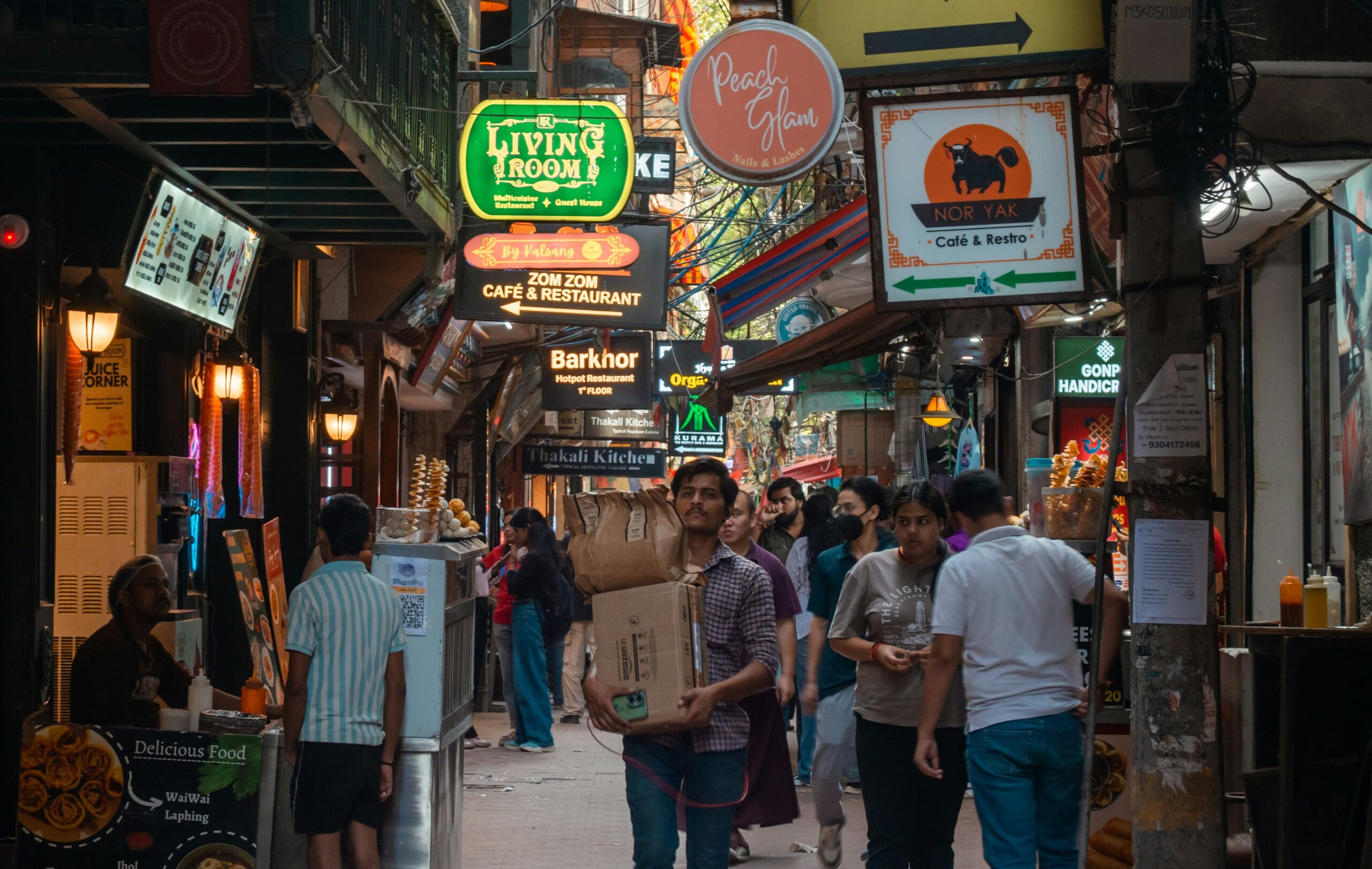
Competition in the coffee industry continues to rise as new cafés open in urban neighborhoods and busy commercial districts. However, strong demand for specialty coffee also creates real opportunities for growth. A coffee bar that focuses on strategy, customer experience, and efficient operations can expand even in saturated markets.
Scaling a coffee business requires more than simply selling more drinks. Owners must improve brand positioning, increase operational efficiency, and build lasting customer loyalty. The following strategies can help coffee bar owners grow sustainably while staying competitive.
Strengthen Brand Identity
A clear and memorable brand identity helps a coffee bar stand out in crowded markets. Customers often choose cafés based on atmosphere, story, and personality rather than just price. Therefore, developing a recognizable brand voice, logo, and store design creates a stronger emotional connection with customers. A unique identity also makes marketing campaigns more effective.
Additionally, consistency across all touchpoints strengthens customer trust. Packaging, social media, menus, and in store experiences should reflect the same visual style and tone. When customers instantly recognize a brand, they become more likely to return and recommend the café to others.
Improve the Customer Experience
Customer experience often determines whether people visit a coffee bar once or become loyal regulars. Comfortable seating, friendly staff, and fast service can significantly improve satisfaction. Even small details such as music, lighting, and cleanliness influence how customers perceive a café environment.
Furthermore, personalized service encourages repeat visits. Staff who remember customer preferences create a welcoming atmosphere that large chain cafés often struggle to replicate. Over time, these positive interactions build a strong community around the coffee bar.
Expand Menu Offerings Strategically
Introducing new menu items can increase revenue while attracting new customers. However, expansion should remain strategic rather than overwhelming. Adding seasonal drinks, specialty roasts, or signature beverages keeps the menu exciting while maintaining quality control.
In addition, complementary items such as pastries, sandwiches, and healthy snacks increase average transaction value. Many customers prefer a café that offers both coffee and light meals. Therefore, carefully selected menu additions can boost profits without complicating operations.
Optimize Operational Efficiency
Efficient operations allow coffee bars to handle higher demand without sacrificing quality. Streamlining workflows behind the counter helps baristas prepare drinks faster during peak hours. Organized workstations and clear preparation processes reduce errors and wait times.
Moreover, inventory management plays a major role in scaling a café business. Tracking ingredient usage prevents shortages and waste while improving cost control. Digital point of sale systems can also provide valuable insights into popular menu items and sales trends.
Build a Strong Online Presence
Today, many customers discover cafés through online searches and social media. Therefore, a strong digital presence can significantly increase foot traffic. Posting visually appealing photos of drinks, interiors, and daily specials helps attract attention and encourages engagement.
Additionally, maintaining updated business profiles on search platforms improves local visibility. Customer reviews also influence decision making, so responding to feedback shows professionalism and care. Over time, a well managed online presence builds credibility and attracts new visitors.
Develop Loyalty Programs
Loyalty programs encourage repeat visits and strengthen relationships with regular customers. A simple reward system such as earning a free drink after several purchases motivates customers to return more frequently. These programs also create a sense of appreciation.
Furthermore, digital loyalty apps allow coffee bars to track customer habits and offer personalized promotions. For example, sending discounts for favorite drinks can increase engagement. As a result, loyalty programs transform occasional visitors into long term supporters of the brand.
Explore New Revenue Channels
Scaling a coffee bar does not always require opening additional locations. Alternative revenue channels can generate growth while minimizing risk. For instance, selling packaged coffee beans, merchandise, or brewing equipment allows customers to bring the brand home.
Similarly, partnerships with local businesses can expand reach. Supplying coffee to offices, restaurants, or events creates steady income streams. Over time, these collaborations increase brand exposure and support sustainable business growth.
Invest in Staff Training and Culture
Well trained employees contribute directly to customer satisfaction and operational success. Baristas who understand coffee origins, brewing methods, and flavor profiles can educate customers while creating higher quality drinks. This expertise enhances the café’s reputation.
Equally important, a positive workplace culture improves employee retention. Staff members who feel valued tend to deliver better service and remain loyal to the company. Consequently, investing in training and team development strengthens both the brand and its long term growth potential.
Scaling Successfully in Competitive Markets
Growing a coffee bar in a competitive environment requires thoughtful strategy and consistent execution. Strong branding, excellent service, and efficient operations form the foundation of a successful expansion plan. When these elements work together, cafés can stand out even in crowded neighborhoods.
At the same time, innovation keeps the business adaptable as consumer preferences change. Coffee bar owners who embrace new ideas while maintaining quality will find opportunities to scale sustainably. Ultimately, long term success depends on creating memorable experiences that keep customers returning again and again.