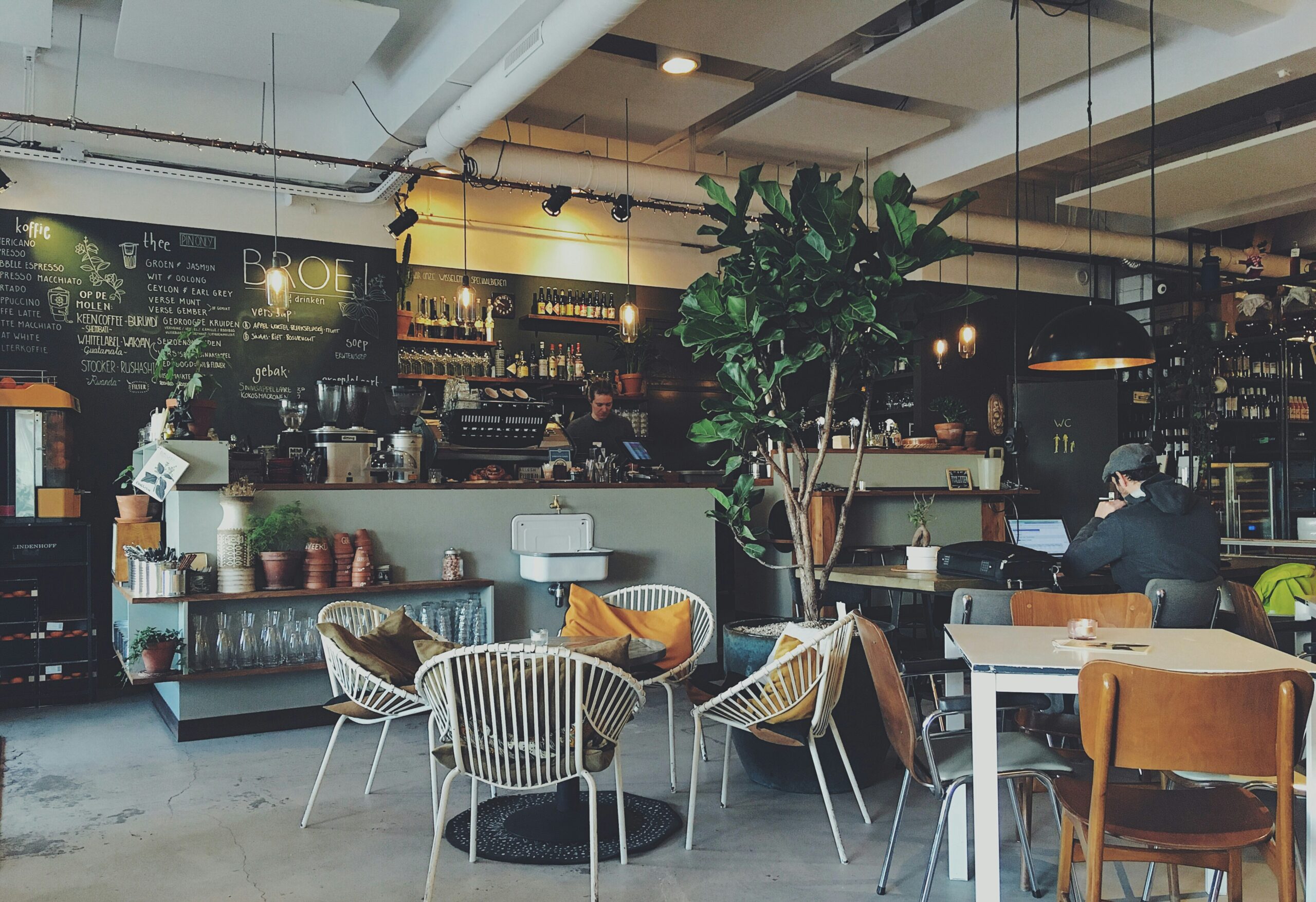
Scaling a coffee bar business takes more than opening additional locations or serving more customers each day. Growth creates new opportunities, but it also introduces challenges involving staffing, quality control, inventory, customer experience, and financial management. Therefore, owners need a clear strategy before expanding beyond their original location.
A successful coffee bar can build strong customer loyalty because coffee often becomes part of a person’s daily routine. However, customers expect the same quality every time they visit. As a result, coffee bar owners must create systems that protect the experience while allowing the business to grow. A thoughtful approach can turn one successful location into a sustainable and recognizable brand.
Build a Strong Foundation Before Expanding
Before considering expansion, owners should make sure the original coffee bar operates efficiently. Strong sales alone do not always mean a business is ready to scale. Instead, owners should examine profitability, staffing, customer retention, operating costs, and daily workflows.
Additionally, the first location should work without constant involvement from the founder. Managers and employees need clear responsibilities so the business can run smoothly when the owner focuses on expansion. This foundation reduces operational problems when new locations begin opening.
Create Consistent Operating Systems
Consistency becomes increasingly important as a coffee business grows. Customers should receive a familiar experience regardless of which location they visit. Therefore, businesses need clear systems for preparing drinks, serving food, cleaning equipment, handling payments, and managing customer concerns.
Documenting these processes helps employees follow the same standards. Moreover, structured procedures simplify training and reduce mistakes. When everyone understands how the business operates, owners can maintain quality while increasing the number of customers and locations.
Protect Coffee and Product Quality
Quality often creates the reputation that makes expansion possible. If drinks become inconsistent during growth, loyal customers may quickly notice. For this reason, coffee bar owners should define clear standards for beans, brewing methods, milk preparation, serving temperatures, and presentation.
Supplier relationships also become more important during expansion. Growing businesses need reliable access to coffee, milk, food, cups, and other essential products. Therefore, owners should work with suppliers that can support larger order volumes without sacrificing quality.
Develop a Repeatable Employee Training Program
Employees play a major role in the customer experience. A skilled barista does more than prepare coffee. Baristas also interact with customers, maintain cleanliness, explain products, and help create the atmosphere that defines the brand.
As the business expands, informal training becomes less effective. Instead, owners should create a repeatable training program that covers drink preparation, customer service, food safety, equipment care, and company expectations. Consistent training can protect quality and help new employees become productive faster.
Choose New Locations Carefully
Location can strongly influence the performance of a coffee bar. However, owners should not assume that a successful concept will work equally well in every neighborhood.
Before signing a lease, businesses should examine pedestrian traffic, local demographics, nearby workplaces, parking, competition, and rental costs. In addition, owners should consider whether the area matches their target customer. Careful location analysis reduces risk and creates a stronger foundation for each new coffee bar.
Maintain a Distinct Brand Experience
A strong brand helps customers recognize and remember a coffee business. Branding includes more than a logo or store design. It also includes service style, menu presentation, atmosphere, values, and the way employees communicate with customers.
Therefore, growing coffee bars should define the elements that make their brand unique. New locations can adapt slightly to local communities, but the core experience should remain recognizable. Consistent branding can strengthen loyalty and support word-of-mouth marketing.
Manage Inventory With Greater Precision
Inventory becomes more complex when a coffee business operates multiple locations. Poor inventory management can cause shortages, unnecessary waste, and higher costs.
Owners should track how quickly each product sells and adjust orders based on actual demand. Technology can make this process easier by connecting sales information with inventory levels. Consequently, managers can make smarter purchasing decisions while reducing food waste and unnecessary stock.
Use Technology to Support Growth
Technology can help coffee bar businesses manage larger operations without creating excessive administrative work. Modern point-of-sale systems can track sales, identify popular products, manage employee schedules, and provide useful customer insights.
Loyalty programs can also support coffee bar growth by encouraging repeat purchases. Additionally, mobile ordering and digital payments can improve convenience during busy periods. However, owners should choose technology that solves practical problems rather than adding complexity to daily operations.
Protect the Customer Experience
Growth should never make customers feel less important. As coffee bars become busier, owners must continue monitoring service speed, drink quality, cleanliness, and employee friendliness.
Customer feedback provides valuable insight during expansion. Reviews, surveys, and direct conversations can reveal problems that managers might miss. Therefore, growing businesses should respond quickly when customers identify recurring concerns. Strong customer relationships can support retention even as the company becomes larger.
Monitor the Economics of Every Location
A growing business needs careful financial control. Each coffee bar should generate enough revenue to support its own operating expenses while contributing to the company’s overall financial health.
Owners should regularly review sales, labor costs, ingredient expenses, rent, waste, and profit margins. Additionally, they should avoid expanding simply because revenue is increasing. Healthy cash flow and realistic financial forecasts should guide decisions about when and where to open another location.
Adapt the Menu Without Losing Focus
Customers enjoy new options, but overly large menus can increase costs and slow service. Successful coffee bar scaling requires a balance between variety and operational simplicity.
Owners can use sales data to identify popular items and remove products that generate little demand. Seasonal beverages and limited offerings can create excitement without permanently increasing menu complexity. Meanwhile, core products should remain consistent so loyal customers can continue ordering their favorites.
Turn Successful Growth Into Long-Term Stability
Scaling a coffee bar business successfully requires discipline, consistency, and patience. Owners must protect product quality while strengthening operations, training employees, managing costs, and choosing new locations carefully. Furthermore, every growth decision should support the customer experience that made the original business successful.
Sustainable coffee bar growth does not happen simply by opening more stores. It comes from creating a business model that can be repeated without losing quality or identity. When owners combine careful financial planning with strong systems, reliable teams, and customer-focused service, they can expand while building a coffee brand designed for lasting success.